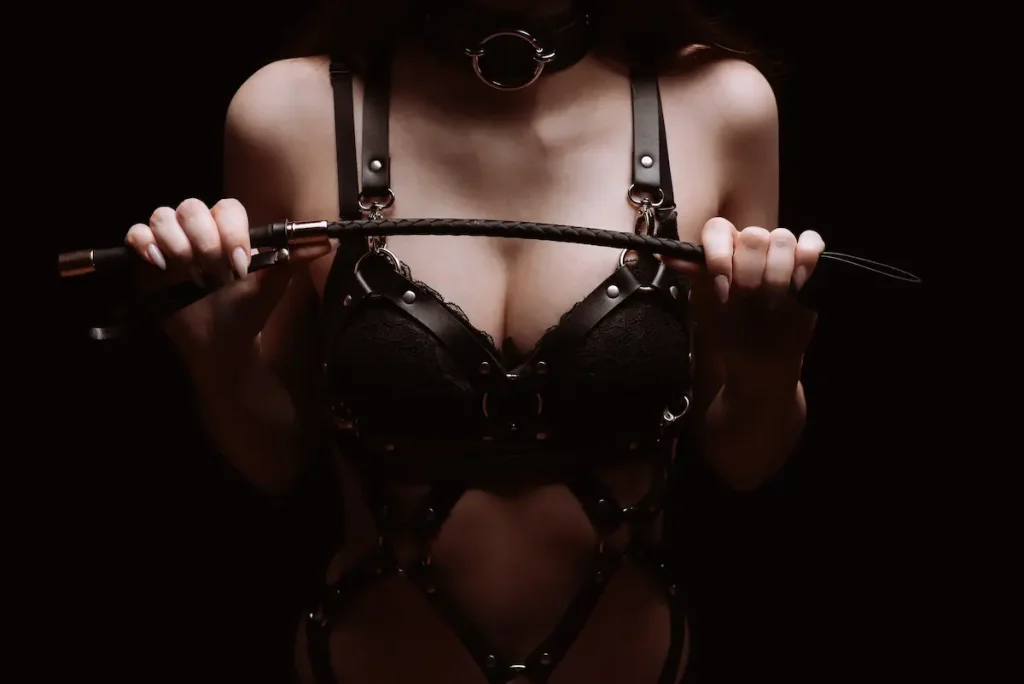
BDSM refers to Bondage, Domination, Sadism and Masochism. We have previously written about kink escorts who incorporate this practice in their work. However, we have not explored the professional spaces in which this activity takes place. Although BDSM can be carried out in any private environment, there are designated areas where this recreation can take place. They are called BDSM dungeons. This blog will explore BDSM in dungeons and explain what to expect in a professional setting.
BDSM in Dungeons
BDSM dungeons provide private spaces where people carry out BDSM practices or scenes. Owners place these dungeons in private properties that clients can rent, such as commercial buildings, private studios, or converted industrial spaces. Individuals within the kink community usually run these properties. Alternatively, a dominatrix may set up a BDSM dungeon within her own flat where she hosts clients. She may designate a completely separate room or even a separate floor within her flat for this purpose. Ironically, she may design the interior of her private home to contrast dramatically with the aesthetic of the dungeon. This separation allows her to distinguish her work from her private life, which supports a healthy sense of balance.
Who Can Use BDSM Dungeons?
The aesthetic language of these rooms tends to follow a similar format. They are dimly lit, with furniture or beds in maroon, bottle green, or black. More minimalist setups incorporate restraint furniture—tables, chairs, swings, wheels, and similar equipment—that are minimalist by design. Equipment is neatly hung on the walls or stored in cabinets; the entire area is exceptionally clean.
BDSM dungeons strike an interesting balance: clinically neat yet welcoming; erotically charged yet safe. The events that take place within these walls are hierarchical yet consensual. The foundation of these spaces is consent and safety, enabling participants to explore their erotic boundaries.
Who Goes to BDSM Dungeons?
It can be anyone. There is no single profile of those who attend BDSM dungeons. Participants may be doctors, lawyers, personal trainers, artists, and professionals from many other walks of life. However, the objective often remains the same: to explore power dynamics and test their own physical and psychological boundaries.
These spaces allow individuals to shed the various masks they wear in public life. This type of catharsis has been known to help some people process trauma and address issues related to intimacy.
FAQs
What should a first-time visitor expect?
First-time visitors can expect clear rules, structured environments, and an emphasis on consent. Many venues require registration, agreement to house rules, and sometimes a brief orientation before participating.
Are BDSM dungeons legal?
Legality depends on local laws and how the space operates. Private, consensual activity between adults is generally legal in many places, but commercial activities and licensing requirements vary by jurisdiction.
Do participants need prior experience?
No. Some people attend with years of experience, while others are beginners. However, education, communication, and understanding consent practices are strongly encouraged before participating.
What are safe words and how are they used?
Safe words are pre-agreed words or signals that participants use to slow down or stop a scene. They provide a clear and immediate way to communicate boundaries during play.
Can couples rent a dungeon privately?
Many dungeon spaces offer private rentals for couples or small groups. Policies vary depending on the venue and whether it operates as a club, studio, or professional workspace.
Is participation anonymous?
Discretion is typically highly valued in kink communities. Many venues enforce privacy rules, including no photography and respect for confidentiality.
What is the difference between a private dungeon and a public dungeon event?
A private dungeon session usually involves one-on-one or small group play in a booked space. Public events may involve multiple attendees in a monitored, semi-public environment with shared rules and oversight.
What should someone wear to a dungeon?
Dress codes vary. Some venues require fetish attire, while others allow casual clothing. It is best to check the specific venue’s guidelines beforehand.
Are dungeon monitors trained professionals?
Many are experienced community members and volunteers. Some receive training in first aid, consent practices, and conflict de-escalation, but they are not typically medical or law enforcement professionals.